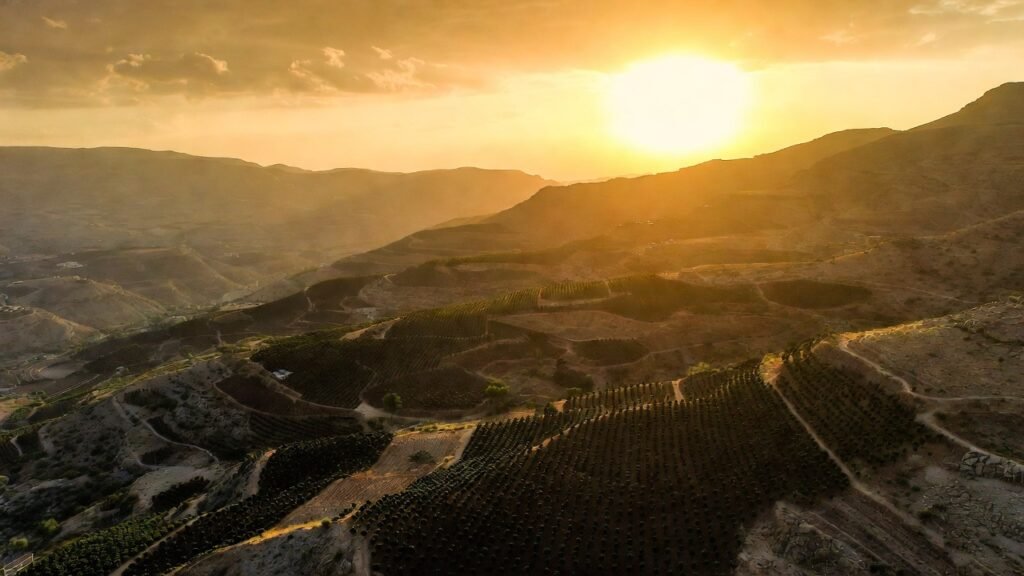
Burundi coffee offers one of Africa’s most exciting flavor experiences, though it’s probably not on most people’s radar yet. These high-altitude beans deliver bright, fruity notes – think citrus and blueberry – that honestly rival anything from Ethiopia or Kenya. The volcanic soil and careful double-washing process create something special here. Maybe it’s the underdog status, but there’s something authentic about discovering excellent coffee before everyone else catches on. The complete story reveals even more compelling reasons to try it.
The Origins and History of Burundi Coffee Production
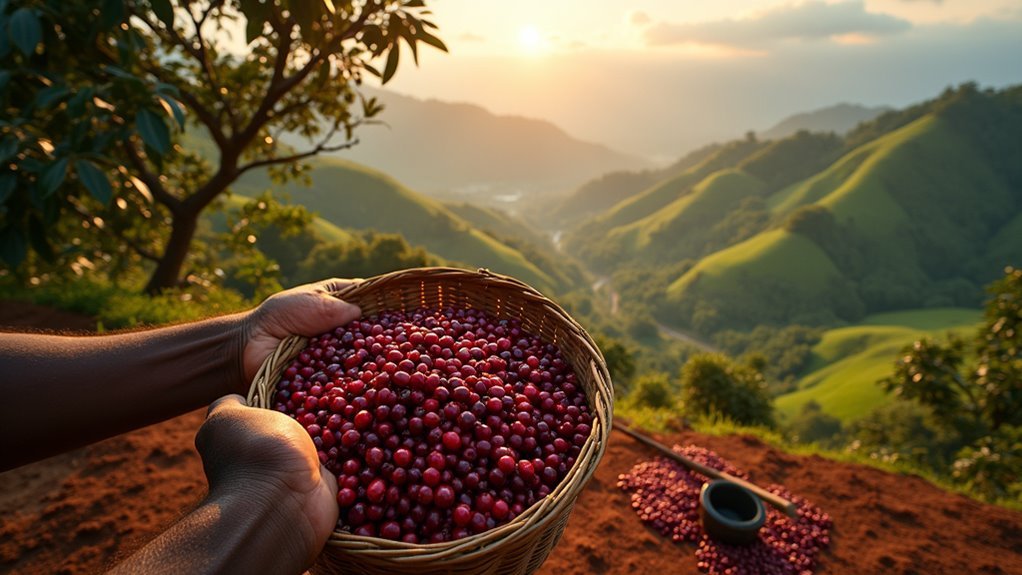
When you think about the world’s premier coffee-growing regions, Burundi probably doesn’t come to mind first—but maybe it should.
This small East African nation’s coffee story began in the 1930s when Belgian colonists introduced Arabica beans to the region. Well, it turned out to be a perfect match.
Burundi’s high altitudes, nitrogen-rich volcanic soil, and hot, wet climate created ideal conditions for coffee cultivation.
Despite having everything going for it—I mean, the conditions are actually better than some famous coffee regions—Burundi remains relatively unknown, ranking just 29th globally in production.
Climate and Growing Conditions That Create Excellence
Although Burundi’s small size might fool you into thinking it’s just another minor coffee producer, the country’s natural conditions are honestly pretty spectacular for growing coffee.
The hot, wet climate creates this perfect storm of conditions that coffee plants absolutely love. What really sets Burundi apart is its high altitude – we’re talking serious elevation here that pushes flavor development to incredible levels.
The nitrogen-rich volcanic soil is like nature’s premium fertilizer, giving beans everything they need to develop those complex, fruity notes. It’s basically coffee paradise condensed into one small African nation.
Distinctive Flavor Profiles and Bean Varieties
All these perfect growing conditions translate into something really special when it comes to what’s actually in your cup. Burundi coffee delivers a bright, fruity profile that’s honestly quite distinctive among African coffees. You’ll taste citrus notes dancing with floral hints, maybe some honey sweetness, and—this is where it gets interesting—unique touches of blueberry and pineapple.
| Altitude Level | Flavor Profile |
|---|---|
| High Elevation | Fruity, citrusy notes |
| Lower Elevation | Chocolatey, nutty flavors |
| Arabica Variety | Subtle, less bitter |
| Robusta Variety | Stronger, more robust |
The altitude really makes a difference here, creating these distinct flavor variations across different growing regions.
Optimal Brewing Methods for Maximum Enjoyment

How do you access all those incredible flavors we just talked about? Well, it’s actually pretty straightforward.
Pour-over brewing works best for Burundi coffee – think of it like giving those delicate notes room to breathe. Light roasts are your friend here; darker roasts will mask those beautiful fruity characteristics we mentioned.
Most Burundi beans are double-washed, which means they’re already prepped to showcase their true flavors.
I think the key is not overthinking it. Simple brewing methods often work best. You could probably experiment with different techniques, but pour-over consistently delivers that bright, floral profile that makes Burundi coffee special.
Processing Techniques That Preserve Natural Character
Processing methods can make or break a coffee’s character, and Burundi producers have really figured this out.
The washing technique they use is actually quite remarkable – it’s like giving the beans a spa treatment that brings out their true personality.
Burundi’s meticulous washing process is like a luxury spa day that reveals each bean’s authentic, unmasked flavor profile.
Here’s what makes Burundi’s processing special:
- Double-washing process removes all fruit residue, creating incredibly clean flavors
- Careful fermentation timing preserves those distinctive fruity and floral notes
- Sun-drying on raised beds allows even moisture removal without compromising quality
This washed processing method guarantees you’re tasting the bean itself, not leftover fruit sugars masking the coffee’s natural character.
Why Burundi Coffee Deserves Your Attention
When was the last time you discovered a coffee that completely caught you off guard? Burundi coffee might just be that surprise.
Despite ranking 29th globally in production, it punches well above its weight in flavor complexity. You’re getting citrus brightness, floral notes, and those unexpected hints of blueberry and passionfruit that’ll make you reconsider what African coffee can be.
What’s remarkable is how this small nation—with nearly a million families involved in coffee farming—produces beans that rival Kenya’s famous exports.
The high-altitude growing conditions create something special. It’s like finding a hidden gem that deserves serious attention from discerning coffee lovers.
Frequently Asked Questions
How Much Does Burundi Coffee Typically Cost Compared to Other African Coffees?
The provided information does not include specific pricing data for Burundi coffee compared to other African coffees. Pricing typically varies based on quality, processing methods, altitude, and market demand factors.
Where Can I Purchase Authentic Burundi Coffee Beans Online or Locally?
Ironically, finding authentic Burundi coffee requires more detective work than locating the country itself. Specialty coffee roasters, online retailers like Sweet Maria’s, and African coffee importers typically stock these elusive beans for adventurous buyers.
What Is the Best Way to Store Burundi Coffee Beans?
Store Burundi coffee beans in an airtight container away from light, heat, and moisture. Keep them at room temperature in a cool, dark pantry. Avoid refrigeration or freezing, which can damage flavor compounds.
How Does Fair Trade Certification Affect Burundi Coffee Farmers?
Fair trade certification provides Burundi coffee farmers with guaranteed minimum prices, premium payments for community development, and improved working conditions, helping the 800,000-1,000,000 families involved in coffee production achieve greater economic stability.
What Grind Size Works Best for Brewing Burundi Coffee?
Medium-fine grind size works best for brewing Burundi coffee, particularly when using pour-over methods. This grind allows ideal extraction of the beans’ distinctive fruity and floral notes while preventing over-extraction that could mask delicate flavors.