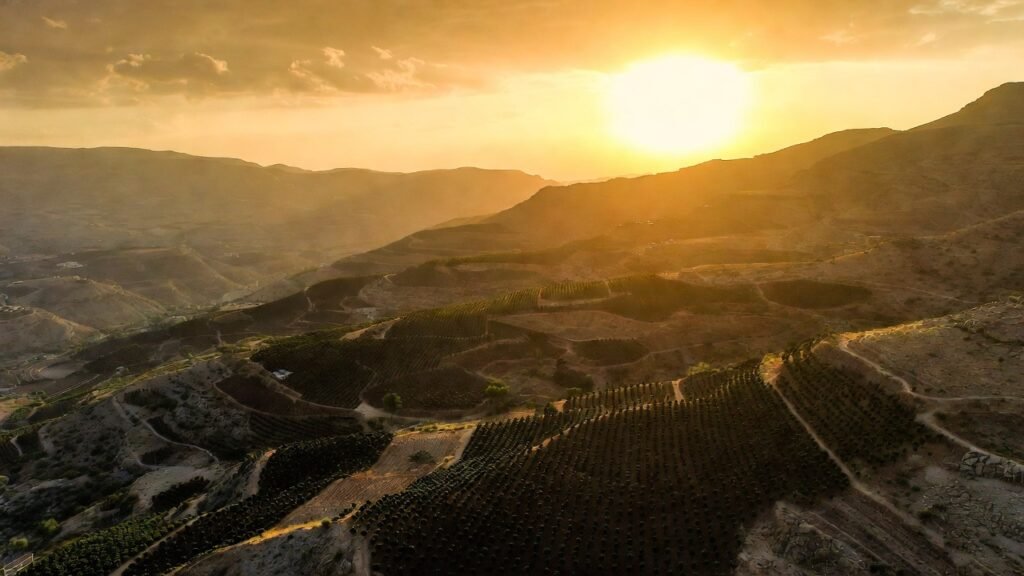
Cameroon’s coffee journey started back in 1884 when German colonists introduced it as a cash crop, and honestly, it’s been quite a ride since then. The country produces both Robusta and Arabica varieties – with Robusta making up about 80% of production and offering those bold, earthy flavors, while the premium Arabica from regions like Bamileke delivers more fruity, floral notes. Though the industry peaked in 1990 as the world’s 12th largest producer, it’s faced challenges from government interference and economic downturns. Still, there’s so much more to discover about this fascinating coffee culture.
From Colonial Roots to Global Recognition
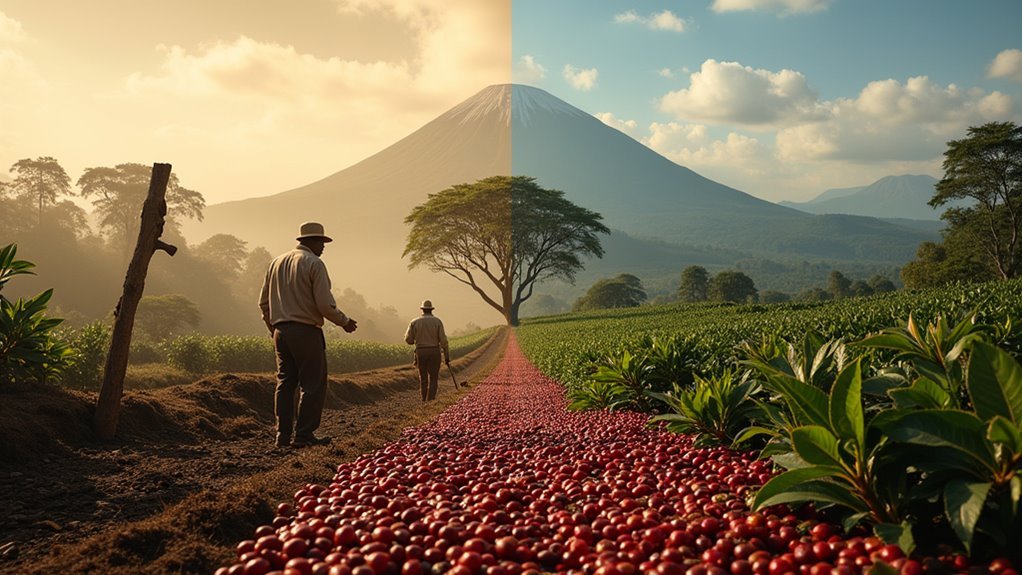
While many African nations discovered coffee through natural growth or trade routes, Cameroon’s coffee story began quite differently—through German colonial intervention in 1884.
The Germans didn’t just stumble upon coffee; they deliberately introduced it as a cash crop. By the late 1920s, western regions were flourishing with coffee farms.
Actually, 1928 marked a pivotal moment when René Coste planted 200,000 seedlings in Dschang—talk about ambitious!
The industry reached its peak in 1990, ranking 12th globally. However, government interference and economic recession later caused significant decline, proving that even coffee empires aren’t immune to politics.
Current Production and Export Markets
Today’s Cameroon coffee industry tells a story of resilience—well, at least that’s how it seems when you look at the numbers.
The country maintains its position as a dual-coffee producer, though it’s probably not what you’d expect from the distribution.
Production breaks down into three key areas:
- Robusta dominance: Makes up 80% of total output, primarily exported to European markets
- Arabica specialty: Represents 20% but commands premium prices in Germany
- Government intervention: 2014 export tax increases aimed to boost industry recovery
Germany actually controls 70% of Arabica shipments, while Belgium, France, and Portugal split the Robusta trade.
Regional Varieties and Flavor Profiles
Cameroon’s coffee landscape reads like a tale of two beans, and honestly, the contrast couldn’t be more striking. Robusta dominates production at lower western altitudes, delivering full-bodied, earthy flavors with nutty undertones. It’s reliable, sturdy—well, maybe not the most exciting, but definitely dependable for blending.
Arabica tells a different story entirely. Grown in Cameroon’s Bamileke and Bamaoun regions, these beans need specific conditions—rich soil, ample rainfall, moderate elevation. The payoff? Fruity, floral profiles that’ll make you rethink what African coffee can be.
| Coffee Type | Primary Characteristics |
|---|---|
| Robusta | Full-bodied, nutty, earthy |
| Standard Arabica | Fruity, floral, delicate |
| Boyo Premium | Complex, high-altitude excellence |
Brewing Methods and Coffee Selection

How does one actually release the potential hiding in these Cameroonian beans? Well, it really depends on what you’re working with.
For those premium Arabica varieties—especially that coveted Boyo coffee—the pour-over method is probably your best bet. This brewing technique acts like a spotlight, highlighting those delicate floral and fruity notes that make high-altitude beans special.
Here’s what works best for different Cameroon coffees:
- Boyo and Arabica varieties – Pour-over brewing to showcase complexity
- Robusta blends – French press or espresso for full-bodied strength
- Single-origin experimentation – Cold brew to explore flavor profiles
Choose quality beans; they’re worth the investment.
Frequently Asked Questions
What Challenges Does Cameroon’s Coffee Industry Face Today?
Despite government revival attempts since 2014, Cameroon’s coffee industry struggles with lingering effects from governmental interference and global economic pressures that caused production decline after its 1990 peak ranking.
How Sustainable Are Cameroon’s Coffee Farming Practices?
The provided information lacks specific details about sustainability practices in Cameroon’s coffee farming. While hand-processing occurs in Boyo region and recovery efforts continue, extensive data on environmental and social sustainability measures remains unavailable.
What Is the Average Income for Cameroon Coffee Farmers?
Like seeds scattered on barren ground, specific income data for Cameroon’s coffee farmers remains elusive in available records. The knowledge provided focuses on production history, regional cultivation, and brewing methods rather than farmer earnings.
Which Certifications Do Cameroon Coffee Producers Typically Obtain?
The provided knowledge does not specify which certifications Cameroon coffee producers typically obtain. Information focuses on production regions, flavor profiles, and brewing methods rather than certification standards or organic labeling practices.
How Does Climate Change Affect Cameroon’s Coffee Production?
Will Cameroon’s coffee survive nature’s mounting assault? Climate change threatens production through irregular rainfall patterns, rising temperatures, and shifting growing zones, forcing farmers to adapt cultivation methods or risk losing their precious Arabica and Robusta crops entirely.