Energy drinks pose significant risks for teenagers, with most containing 80-300mg of caffeine per can—well above the recommended 100mg daily limit for developing bodies. These high-stimulant beverages can disrupt essential sleep patterns, trigger anxiety, and cause dangerous spikes in blood pressure. Think of energy drinks like taking out high-interest loans on your body’s natural energy reserves. Instead, teens should focus on whole foods rich in B vitamins, consistent sleep schedules, and proper hydration for sustained energy without the crashes. Understanding these alternatives becomes even more important when you explore the long-term impacts.
Physical and Mental Health Impacts on Growing Bodies
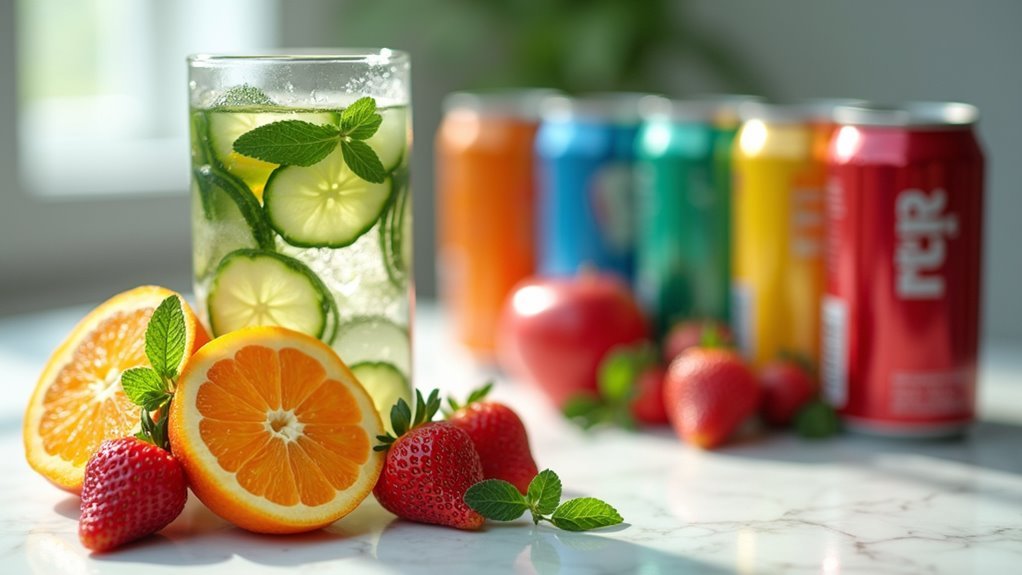
While teenagers often reach for energy drinks to power through studying or sports, their developing bodies actually face unique vulnerabilities to the high caffeine and sugar content these beverages pack.
Think of it like this—a teen’s nervous system is still building its foundations, and excessive caffeine can disrupt sleep patterns when rest is essential for growth.
The sugar rush might feel energizing initially, but it’s followed by crashes that leave students more tired than before.
That initial energy boost from sugar is deceptive—it quickly fades, leaving teens more exhausted than when they started.
High caffeine levels can trigger anxiety, headaches, and even elevated blood pressure in developing cardiovascular systems that aren’t equipped to handle such intense stimulation.
Natural Energy Sources for Sustained Vitality
Instead of relying on artificial stimulants that can harm developing bodies, teenagers can actually—well, they can tap into natural energy sources that work with their biology rather than against it.
B vitamins from fish, chicken, and beans provide sustained fuel without crashes. Adaptogenic herbs like ginseng help combat fatigue naturally.
Think of these foods as premium gasoline for your body’s engine, rather than the cheap stuff that clogs everything up. Biotin enhances nutrient absorption, making energy last longer.
Whole foods don’t just energize—they satisfy hunger too, creating a win-win situation for busy students.
Understanding Safe Consumption Limits and Guidelines
How much caffeine is actually safe for a teenager’s developing body?
Well, experts recommend teens limit caffeine to 100mg daily – that’s roughly one cup of coffee.
Most energy drinks contain 80-300mg per can, meaning just one drink can exceed safe limits. Some brands pack over 400mg, which is the adult maximum.
Think of a teen’s body like a smaller engine – it just can’t handle the same fuel load as an adult’s.
When teens consume too much, they’re probably going to experience jitters, sleep problems, and maybe even heart palpitations.
Moderation isn’t just smart; it’s essential.
Building Healthy Energy Habits for Academic Success

Students who understand safe caffeine limits often find themselves wondering what actually works for sustained academic performance.
Well, the answer isn’t really complicated—it’s about building consistent habits that don’t crash.
Think of energy like a bank account. Energy drinks are basically taking out loans with terrible interest rates. You get a quick boost, but you’ll pay later with crashes and jitters.
Instead, focus on sleep schedules, regular meals, and—I know this sounds boring—staying hydrated.
B vitamins from whole foods provide steady fuel without the rollercoaster. It’s probably not as exciting, but it actually works.
Frequently Asked Questions
Do All Energy Drink Brands Contain the Same Amount of Caffeine?
Energy drink brands contain varying amounts of caffeine, with some exceeding the recommended daily limit of 400 mg. Caffeine content differs considerably between brands and product types, requiring consumers to check labels carefully.
Can Mixing Energy Drinks With Alcohol Increase Health Risks for Teenagers?
Studies show mixing caffeine with alcohol masks intoxication signs, leading teenagers to drink dangerously excessive amounts. This combination markedly increases risks of dehydration, heart problems, and impaired judgment beyond either substance alone.
Are Sugar-Free Energy Drinks Safer Alternatives for Teen Consumption?
Sugar-free energy drinks eliminate sugar-related risks like obesity and diabetes but retain high caffeine content. They still pose risks including sleeplessness, irritability, elevated blood pressure, and potential anxiety for teenagers.
How Long Do Energy Drink Effects Typically Last in Teenagers?
Energy effects endure approximately four to six hours in teenagers, though caffeine’s peak performance occurs within thirty to sixty minutes after consumption, gradually declining as the body metabolizes the stimulating substances completely.
What Should Parents Do if Their Teen Is Addicted to Energy Drinks?
Parents should gradually reduce their teen’s energy drink consumption rather than stopping abruptly. They can introduce natural alternatives like B-vitamin rich foods, establish regular sleep schedules, and consult healthcare professionals if withdrawal symptoms persist or worsen.