Alcoholic energy drinks create a dangerous cocktail that’s honestly more harmful than most people realize. The caffeine masks alcohol’s depressant effects, tricking the brain into feeling sober while still being impaired. This leads to increased consumption—we’re talking six or more drinks typically. Studies show people aged 15-23 who mix these drinks are four times more likely to binge drink and engage in risky behaviors like drunk driving. There’s actually much more beneath the surface.
The Hidden Health Risks of Mixing Caffeine With Alcohol

While many people think mixing caffeine with alcohol might help them stay more alert during a night out, this combination actually creates a dangerous cocktail of health risks that most consumers don’t fully understand.
The caffeine masks alcohol’s depressant effects, making people feel more awake while they’re actually still impaired. This false sense of alertness leads to drinking more than usual, but here’s the thing – caffeine doesn’t speed up how your body processes alcohol.
Large amounts of caffeine can cause heart problems and increased blood pressure, making this mixture particularly risky for anyone with existing health conditions.
How Caffeine Masks Alcohol’s Effects and Increases Consumption
When someone drinks an alcoholic energy drink, the caffeine fundamentally tricks their brain into thinking they’re more sober than they actually are.
This masking effect is actually pretty dangerous – well, it creates a false sense of alertness while alcohol continues impairing judgment and coordination.
Think of it like putting a Band-Aid over a broken bone. The caffeine covers up alcohol’s drowsy effects, but it doesn’t speed up how your body processes alcohol.
People feel energized and mistakenly believe they can handle more drinks. This leads to binge drinking patterns, where someone might consume six or more drinks instead of stopping when they normally would.
Alarming Statistics on Binge Drinking and Criminal Behavior
The numbers behind this dangerous combination are honestly pretty shocking.
People aged 15 to 23 who mix alcohol with energy drinks are four times more likely to binge drink—we’re talking six or more drinks compared to those who don’t use caffeine.
But it gets worse. These individuals report considerably more unwanted sexual encounters and crimes.
They’re also much more likely to drive under the influence, which is terrifying when you think about it.
Actually, maybe the most concerning part is how these drinks create this false sense of alertness while people are still dangerously impaired.
FDA Crackdown and Current Regulatory Landscape
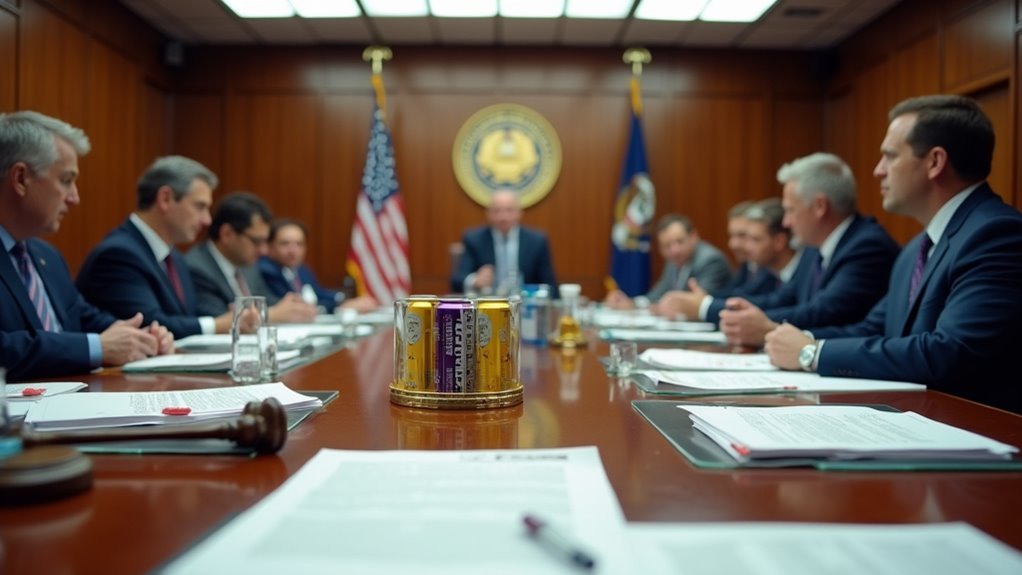
Back in November 2010, the FDA stepped in with some serious regulatory muscle, fundamentally putting the brakes on alcohol-energy drink combinations after finding zero scientific support for caffeine’s safety in alcoholic beverages.
This crackdown dramatically shifted the landscape—fewer pre-made caffeinated alcoholic drinks hit store shelves these days. Bartenders now mix these combinations by hand, which actually makes tracking consumption harder.
The regulatory scrutiny continues today, with health organizations raising ongoing concerns about safety standards and marketing practices.
It’s like playing whack-a-mole, though—new products keep emerging despite tighter oversight.
Global Market Trends and Popular Drink Combinations
Despite regulatory hurdles in some regions, the global energy drink market tells quite a different story—sales hit over $45 billion in 2020 and they’re projected to reach $108 billion by 2031.
This growth isn’t slowing down, even with safety concerns.
Popular combinations are, well, everywhere. Red Bull with vodka remains the classic choice, while champagne mixed with energy drinks creates a dangerous double-buzz effect.
Some bartenders are getting creative with mango-flavored energy drinks in Bloody Marys. Many countries actually manufacture alcoholic energy drinks locally, making these combinations readily available despite—or maybe because of—the risks involved.
Consumer Education and Expert Recommendations for Safer Choices
While market trends show explosive growth, health experts are sounding alarm bells about the lack of consumer awareness surrounding these risky combinations. Many consumers don’t realize they’re basically playing Russian roulette with their cardiovascular system.
Dr. Sarah Martinez notes that people often underestimate caffeine levels—some energy drinks pack more punch than three cups of coffee.
Health professionals recommend, well, actually avoiding these mixtures entirely. If you must drink, experts suggest alternating with water and never exceeding 400mg of caffeine daily.
Education campaigns are essential since most people think they’re just having fun, not potentially risking their hearts.
Frequently Asked Questions
Are There Any Safe Ways to Mix Energy Drinks With Alcohol?
The 2020-2025 Dietary Guidelines recommend avoiding mixing alcohol with energy drinks entirely. Health professionals advocate for moderation and caution, as no established safe methods exist for combining these substances without health risks.
How Long Do the Effects of Alcoholic Energy Drinks Last?
The effects typically last 4-6 hours, varying by individual metabolism, consumption amount, and tolerance levels. Caffeine effects may persist longer than alcohol, potentially masking intoxication and creating dangerous situations for consumers.
Can Alcoholic Energy Drinks Cause Permanent Damage to My Heart?
Alcoholic energy drinks can potentially cause permanent heart damage through increased heart rate, elevated blood pressure, and cardiovascular strain. Large caffeine amounts combined with alcohol create additional risks that may exacerbate existing heart conditions.
What Should I Do if Someone Overdoses on Alcoholic Energy Drinks?
Critically concerning cardiovascular complications can occur during overdoses. One should immediately call emergency services, monitor breathing and consciousness, provide supportive care, and avoid inducing vomiting while awaiting professional medical intervention.
Do Sugar-Free Energy Drinks Reduce Risks When Mixed With Alcohol?
Sugar-free energy drinks do not greatly reduce health risks when mixed with alcohol. Caffeine still masks alcohol’s depressant effects, potentially leading to increased consumption and dangerous behaviors regardless of sugar content.