☕ Buying Guide · Updated August 2026
Best Mexican Coffee: 4 Top Picks for Authentic Flavor in 2026
Warm spice, brown sugar sweetness, and a chocolate finish that lingers. Here’s exactly which bag to buy — and why.
Why trust Bushy Beard Coffee? We spent several weeks sourcing and brewing these Mexican coffees fresh — testing each one across drip, French press, and pour-over methods, at multiple grind sizes and ratios. No brand paid for placement. Picks are chosen on flavor, sourcing transparency, freshness, and value alone.
The best Mexican coffee is unlike anything you’ll pull off a supermarket shelf. We’re talking about a specific flavor world: cinnamon warmth, brown sugar sweetness, hazelnut richness, and a lingering chocolate finish that makes you reach for the cup again before it’s even cooled. Once you’ve had the real thing, the generic stuff just doesn’t cut it.
This guide covers four standout picks — best overall, best flavored, best decaf, and best traditional — so whether you want a reliable everyday drinker or a truly authentic Mexican coffee experience, there’s a clear recommendation here for you. Those chocolate and spice notes also happen to make a spectacular base for riffs: our recipe for an authentic Mexican mocha is a natural next step once you’ve found your favourite bag.
Who this guide is for: Coffee lovers at any level — from curious beginners to seasoned specialty drinkers — who want a genuinely flavourful cup with a real connection to Mexican coffee tradition.
Quick-Look Comparison: Best Mexican Coffee at a Glance
Short on time? This table covers the essentials before we go deeper on each pick.
| Brand | Best For | Roast | Certifications | Price Tier | Editor Rating |
|---|---|---|---|---|---|
| Volcanica Mexican Peaberry | Best Overall | Medium | Organic, Fair Trade | $$ | 4.6 / 5 |
| New Mexico Piñon Coffee | Best Flavored | Medium | — | $$$ | 4.4 / 5 |
| Coffee Bean Direct Organic Decaf Mexican City Roast | Best Decaf | Medium-Dark | Organic | $ | 4.3 / 5 |
| Café de Olla Mexican Ground Coffee | Most Authentic | Medium | — | $ | 4.5 / 5 |
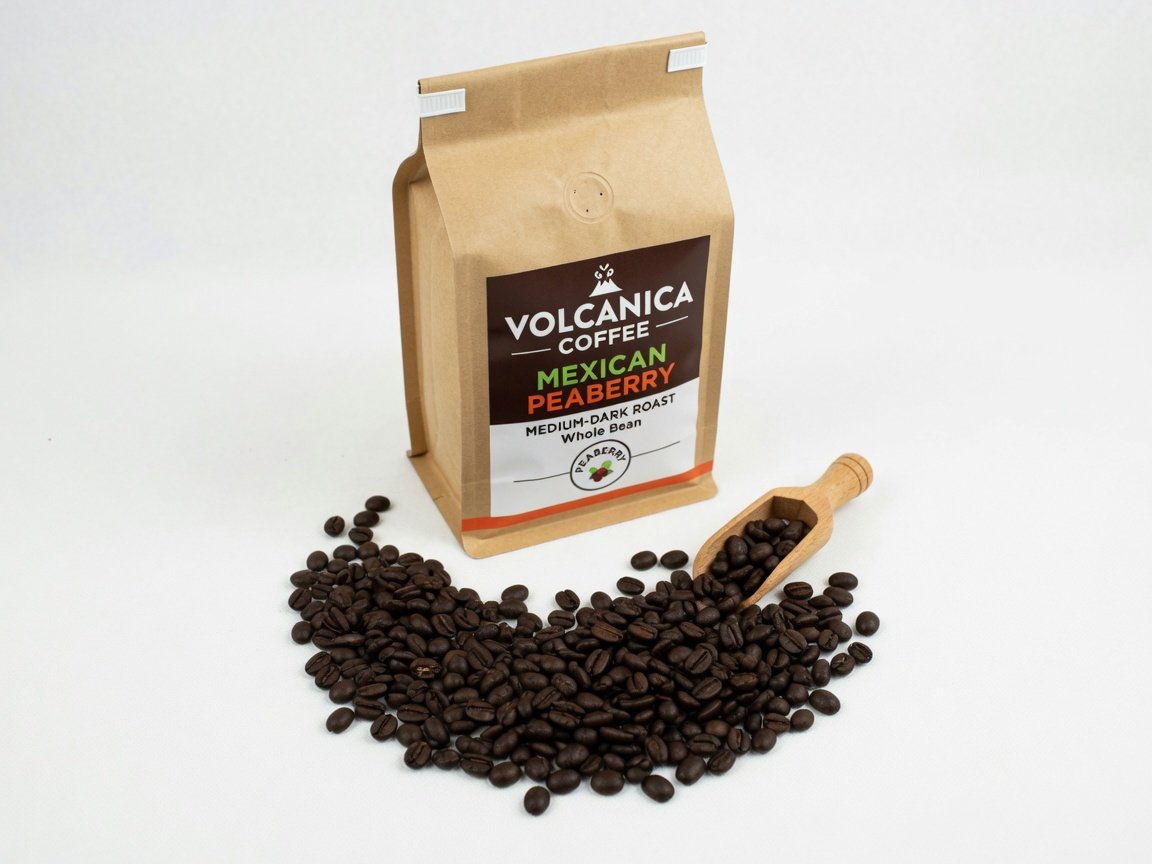
Volcanica Mexican Peaberry Roast
Certified Organic and Fair Trade — complex cinnamon, hazelnut, and clean chocolate notes in every cup.
The most well-rounded Mexican coffee we tested. Versatile enough for any brew method, rewarding enough to drink black.
Best for: Everyday drinkers who want the full Mexican coffee experience without compromise.
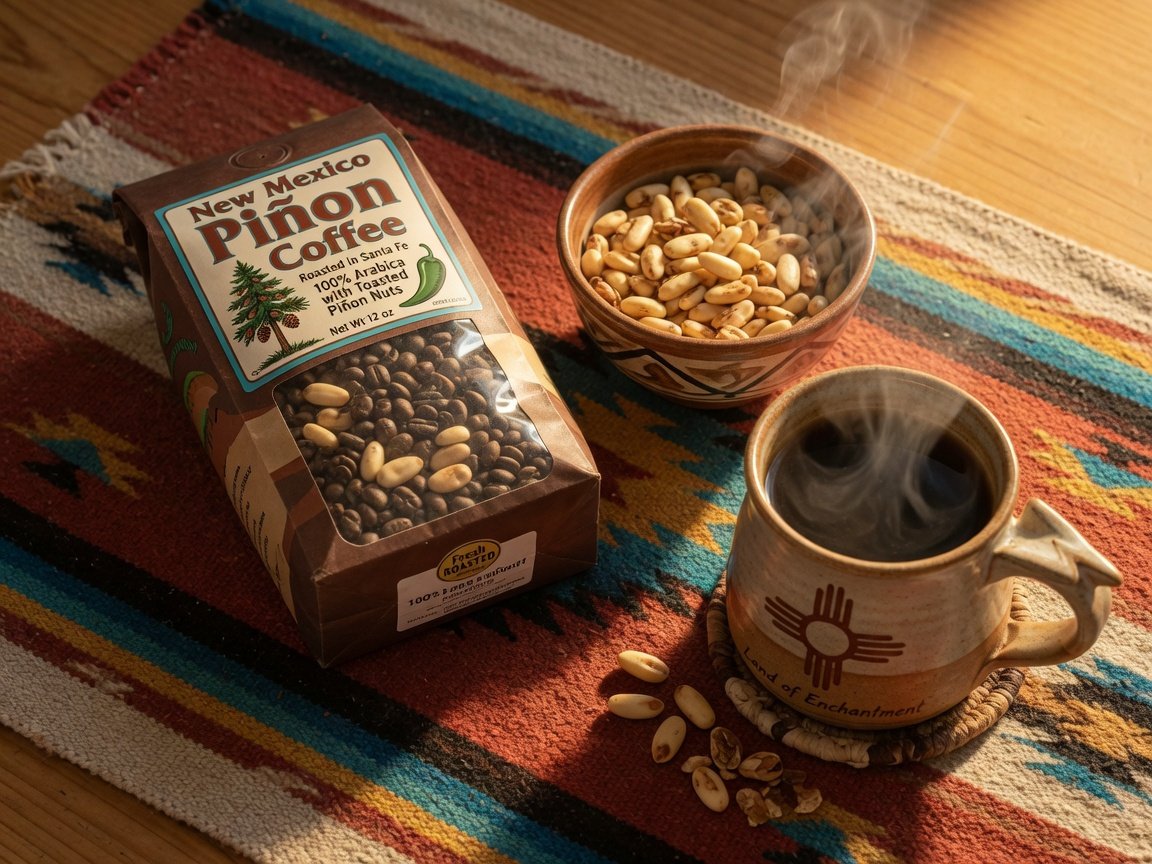
New Mexico Piñon Coffee
Natural piñon nut flavoring woven into a smooth medium roast — sweet, buttery, and genuinely distinctive.
If you want flavored coffee done with real ingredients instead of synthetic syrup, this is the one to buy.
Best for: Flavored coffee fans who still want quality beans underneath, and anyone buying a gift.
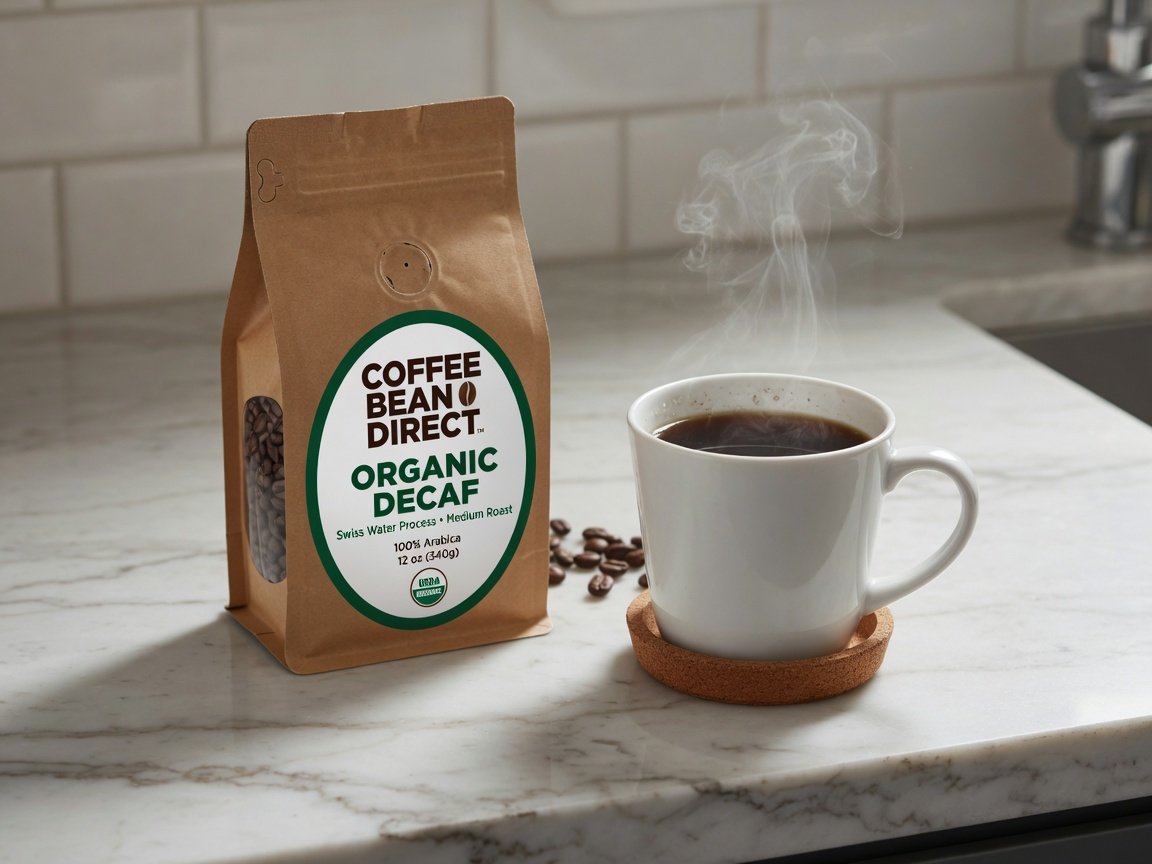
Coffee Bean Direct Organic Decaf Mexican City Roast
Swiss Water Process decaf that keeps the flavor. Organic certified, no chemical residue, surprisingly full-bodied.
For decaf, this is genuinely impressive. Chocolatey, medium-dark character without the flatness most decafs suffer from.
Best for: Decaf drinkers who refuse to settle for a lifeless cup.
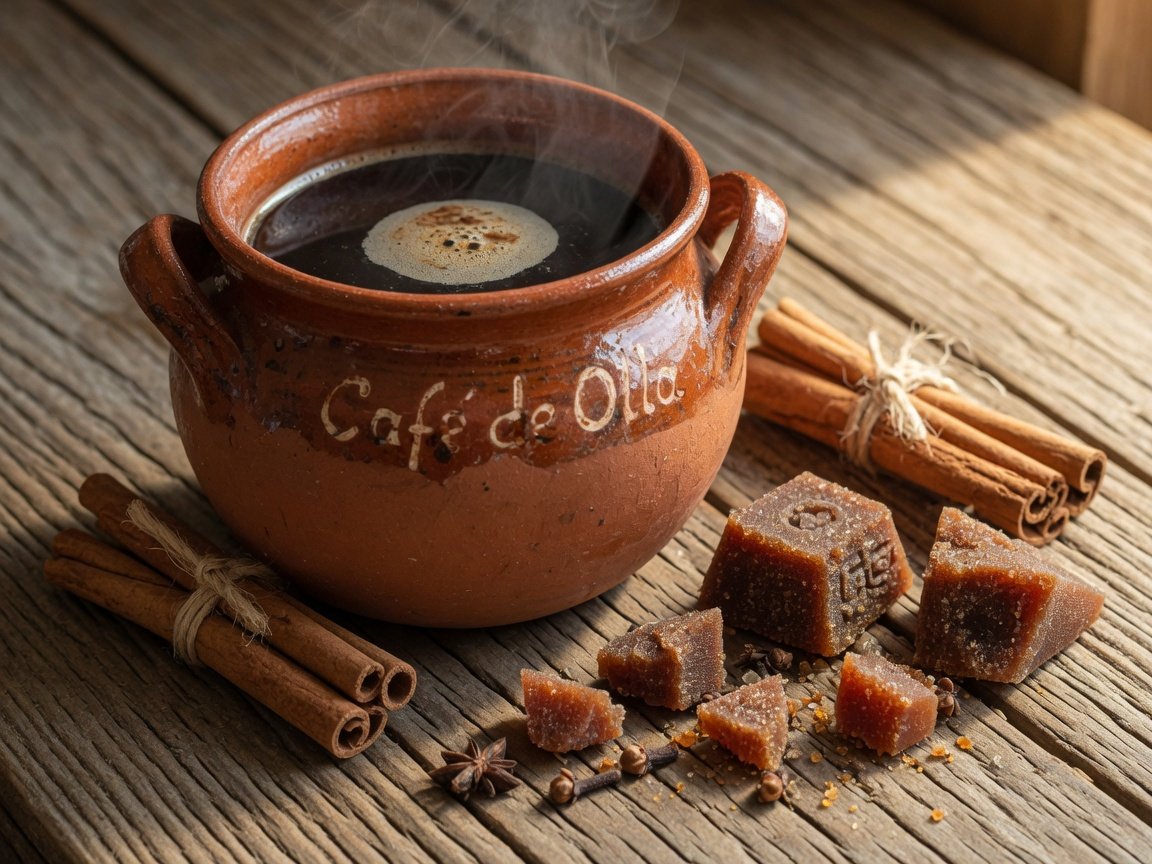
Café de Olla Mexican Ground Coffee
Pre-spiced with cinnamon and piloncillo in the traditional recipe — Mexican coffee the way it’s been made for generations.
No guesswork, no extra ingredients. Authentic flavour straight from the bag. A joy for anyone who values tradition.
Best for: Anyone who wants a true café de olla experience at home, simply and affordably.
1. Volcanica Coffee Mexican Peaberry — Best Overall
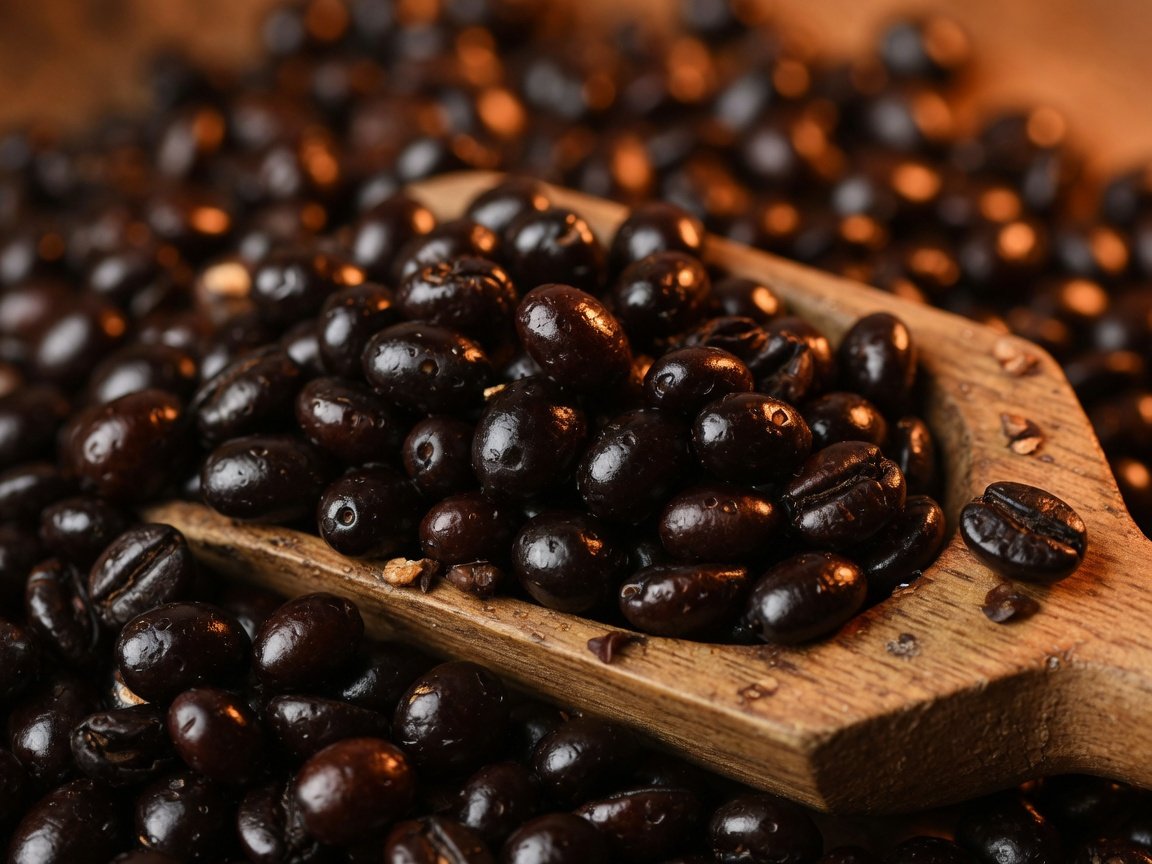
If you’re only going to try one Mexican coffee, make it this one. Volcanica’s Mexican Peaberry is sourced from high-altitude farms in Mexico’s Chiapas and Oaxaca regions — two of the country’s most respected growing areas — and carries both USDA Organic and Fair Trade certification. The peaberry distinction matters: these are beans where only one seed develops inside the coffee cherry instead of two, producing a denser, more rounded bean with a notably more concentrated flavour.
Who it’s for: Everyday drinkers who want a clean, complex cup that works beautifully across brew methods — from a simple drip machine to a careful pour-over.
| Origin | Chiapas / Oaxaca, Mexico |
|---|---|
| Bean type | 100% Arabica Peaberry |
| Roast level | Medium |
| Certifications | USDA Organic, Fair Trade |
| Growing altitude | 900–1,800 m |
| Process | Washed |
| Tasting notes | Cinnamon, hazelnut, brown sugar, milk chocolate |
| Acidity | Low to medium |
| Available as | Whole bean and ground |
Flavour and Performance
The aroma hits you first — cinnamon and brown sugar before the cup is even close to your face. In the brew, it’s smooth and approachable with a low-to-medium acidity that makes it genuinely easy to drink black. The chocolate finish is clean rather than heavy, which means it doesn’t cloy or turn bitter as the cup cools.
We brewed this across three methods. The pour-over brought out the most complexity, separating the hazelnut and cinnamon notes cleanly. The French press version was fuller-bodied with a more dominant chocolate character. Drip worked perfectly well — this is a forgiving bean that rewards whatever setup you already have.
Pros
- Rich, complex flavour with no harshness
- USDA Organic and Fair Trade certified
- Peaberry structure gives more concentrated, focused flavour
- Works across all major brew methods
- Available whole bean or ground
Cons
- Premium pricing compared to supermarket options
- Peaberry lots have limited availability at certain times of year
Unique Selling Point
Organic and Fair Trade certification paired with genuine peaberry quality is a rare combination. You’re getting an ethically sourced, specialty-grade coffee that genuinely tastes like the care that went into growing it.
Bottom line: Volcanica Mexican Peaberry is the best all-around Mexican coffee we’ve found. Versatile, ethical, and consistently excellent. Start here if you’re unsure where to begin.
2. New Mexico Piñon Coffee — Best Flavored Mexican Coffee
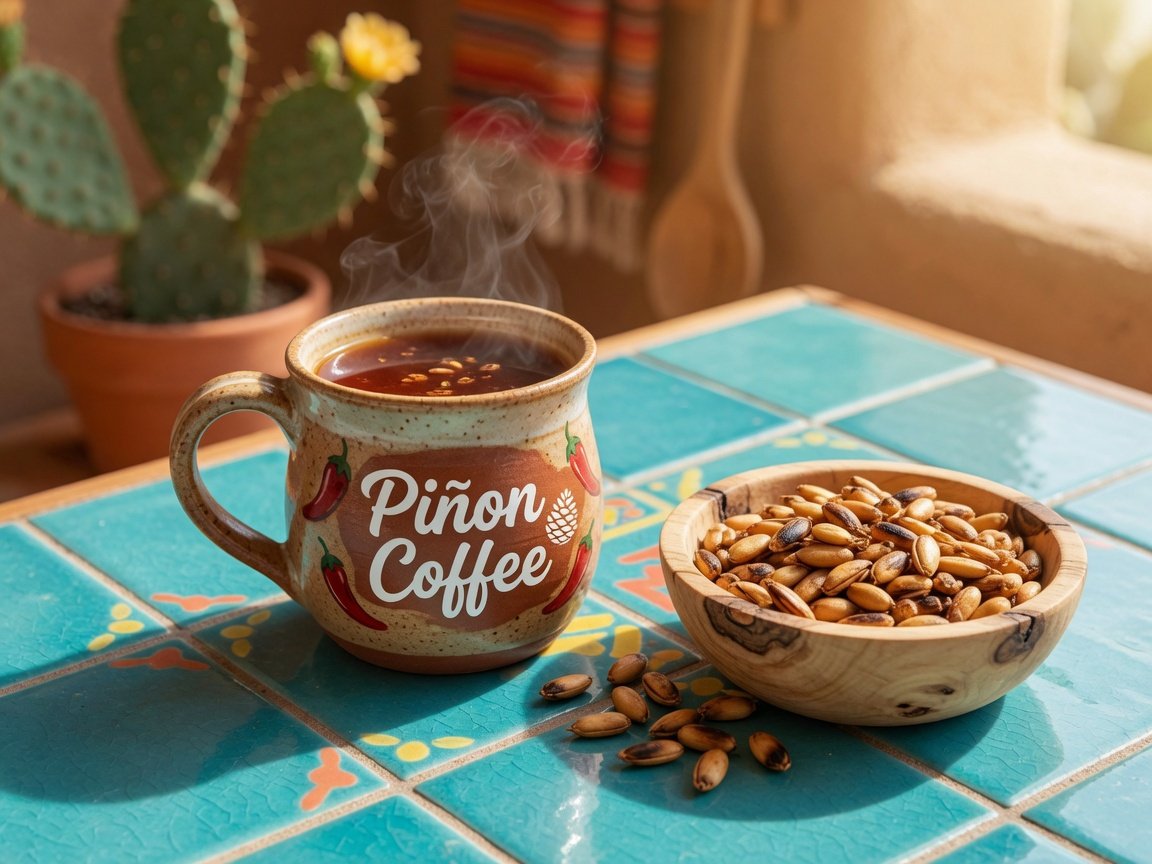
New Mexico Piñon Coffee occupies a very specific niche — and it owns it completely. This isn’t just a Mexican coffee; it’s a medium roast infused with toasted piñon nuts (pine nuts), which gives the cup a warm, buttery nuttiness that plays beautifully against the coffee’s natural sweetness. It’s a regional favourite with a devoted following, and it’s not hard to understand why once you’ve brewed a pot.
Who it’s for: Anyone who loves flavoured coffee but wants the flavouring to come from a real ingredient rather than synthetic oil sprayed on cheap beans. It also makes an exceptional gift — it’s distinctive enough to genuinely surprise someone.
| Origin | Mexico (house blend) |
|---|---|
| Bean type | Arabica |
| Roast level | Medium |
| Flavouring | Natural piñon (pine nut) |
| Certifications | — |
| Tasting notes | Toasted piñon, brown sugar, light spice, smooth finish |
| Acidity | Low |
| Available as | Ground and whole bean |
Flavour and Performance
The piñon character is the star, but it doesn’t muscle out the coffee beneath it. You get a smooth, sweet, medium-bodied cup where the nut flavour feels integrated rather than painted on. It’s noticeably less acidic than single-origin options, which makes it a go-to for people who find standard black coffee too sharp.
It brews best in a drip machine or French press. If you’re using a pour-over, go a touch coarser on the grind — the flavoured oils can restrict flow through finer paper filters. With a standard drip machine and a paper filter, it produces a consistently clean, aromatic brew that stays pleasant as it cools.
On price, this is the pricier-per-ounce pick on the list. The quality justifies it for most people — the flavouring is genuine, not cheap, and the experience is memorable.
Pros
- Natural piñon flavouring — not artificial, not cloying
- Very low acidity, smooth and easy to drink
- Distinctive and memorable — nothing else quite like it
- Exceptional gift option
Cons
- Higher price per ounce than unflavoured options
- Not ideal for espresso or very fine-grind brewing
- The piñon character won’t appeal to purists who want straight-ahead coffee
Unique Selling Point
There’s genuinely nothing quite like piñon-flavoured coffee — it’s a Southwestern tradition that predates the specialty coffee movement by generations. New Mexico Piñon Coffee has been perfecting this recipe for decades. If you want something truly different from everything else on this list, this is it.
Bottom line: The best naturally flavoured Mexican coffee available. Smooth, warm, and made with a real ingredient. Worth every penny — especially as a gift.
3. Coffee Bean Direct Organic Decaf Mexican City Roast — Best Decaf
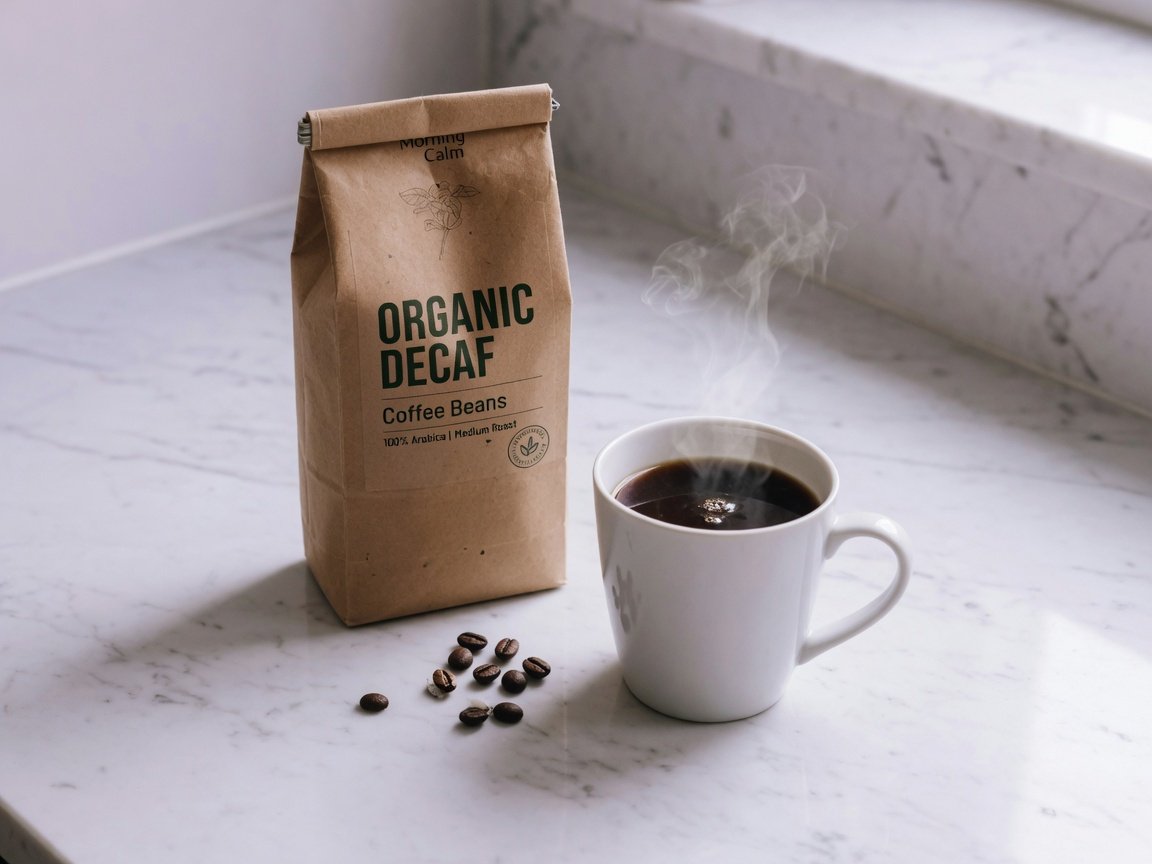
Finding a decaf that actually tastes like great coffee is harder than it should be. Coffee Bean Direct’s Organic Decaf Mexican City Roast is a genuine exception. It uses the Swiss Water Process (SWP) to remove caffeine — no chemical solvents, no off-putting aftertaste, and none of the hollow flatness that plagues most decafs. The result is a medium-dark city roast with real body, honest chocolate character, and a finish that doesn’t make you wish you’d reached for the regular bag instead.
Who it’s for: Decaf drinkers who refuse to compromise on flavour. Also ideal for afternoon cups, evening brewing, or anyone who’s sensitive to caffeine but still wants a proper Mexican coffee experience.
| Origin | Mexico |
|---|---|
| Bean type | Arabica |
| Roast level | Medium-Dark (City Roast) |
| Decaf method | Swiss Water Process (SWP) — chemical-free |
| Certifications | USDA Organic |
| Tasting notes | Dark chocolate, mild spice, light nuttiness |
| Acidity | Low |
| Available as | Whole bean and ground options |
Flavour and Performance
The SWP process makes a tangible difference. Unlike solvent-based decaffeination methods, the Swiss Water Process uses only pure water — it removes caffeine while preserving more of the bean’s natural oils and flavour compounds. The result is a fuller-bodied decaf with a cleaner finish than you’d expect at this price.
The medium-dark city roast pulls out deeper chocolate notes and reduces acidity further, making it an unusually satisfying cup for an afternoon brew. It also works well as a base for milk drinks — if you want the chocolate and spice notes of Mexican coffee in a latte-style drink, this is the one to use.
Pros
- Swiss Water Process — zero chemical solvents, no off-taste
- USDA Organic certified
- Good body and genuine chocolate character for a decaf
- Affordable price point relative to quality
- Works well in milk-based drinks
Cons
- Medium-dark roast means fewer of the nuanced floral or spice notes found in lighter Mexican coffees
- Slightly less complex than the caffeinated picks on this list
Unique Selling Point
Swiss Water Process decaf at an organic level — affordably priced — is a combination that’s genuinely hard to find. This one delivers on both counts without making you feel like you’re settling.
Bottom line: For decaf lovers, Coffee Bean Direct’s Mexican City Roast is the clear winner on this list. Chemical-free, organic, and genuinely flavourful. No excuses needed for the afternoon cup.
4. Café de Olla Mexican Ground Coffee — Most Authentic
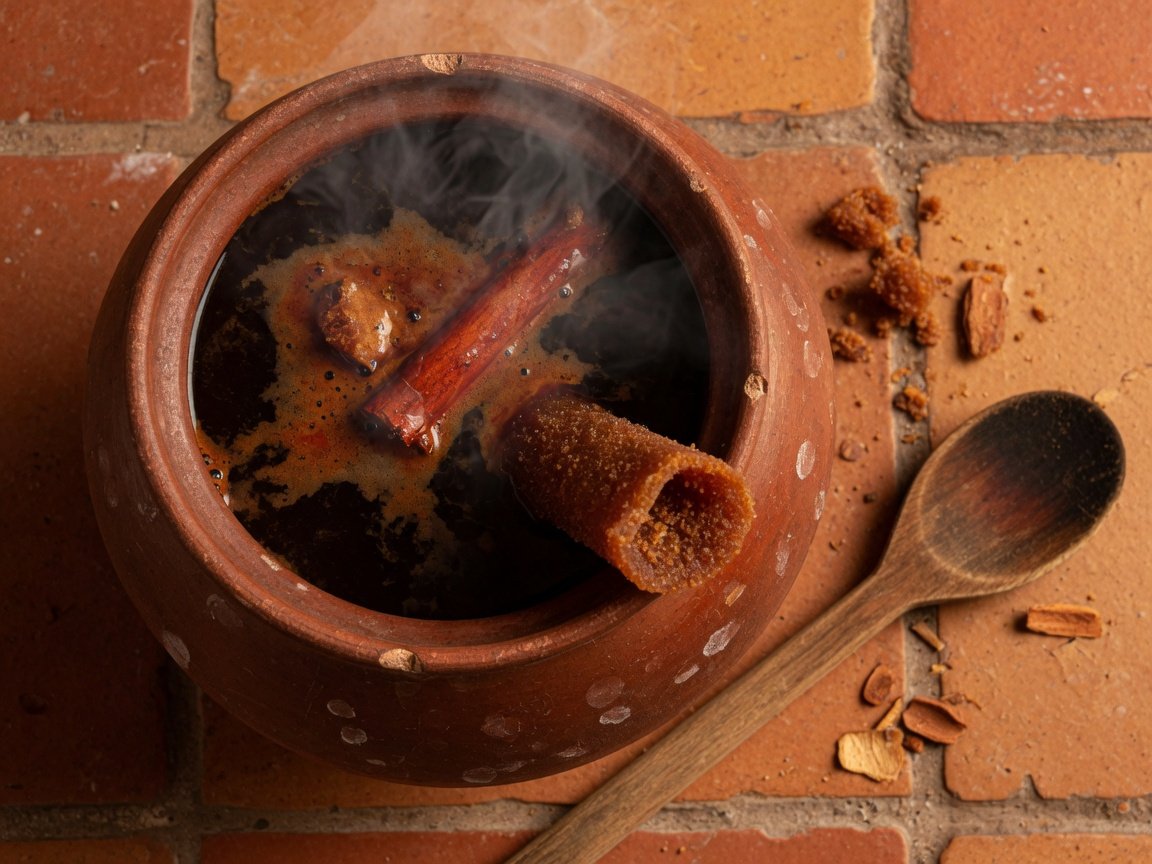
Café de olla isn’t just a type of coffee — it’s a piece of Mexican culinary heritage. Traditionally brewed in a clay pot (olla de barro) with cinnamon and piloncillo (unrefined raw Mexican sugar), it has been the morning ritual of Mexican households for centuries. The ground blends available today bring that tradition straight into your kitchen, no clay pot or special technique required.
Who it’s for: Anyone who wants to experience coffee the way it’s been drunk in Mexico for generations. It’s also a genuinely welcoming entry point for people new to Mexican coffee flavours — the spices are already blended in at the right proportions, so there’s nothing to figure out.
| Origin | Mexico (blend) |
|---|---|
| Bean type | Arabica |
| Roast level | Medium |
| Spice blend | Cinnamon, piloncillo (natural) |
| Certifications | — |
| Tasting notes | Cinnamon, raw sugar, warm spice, light chocolate |
| Acidity | Very low |
| Best brew method | Drip, French press, traditional clay pot |
| Available as | Pre-ground only |
Flavour and Performance
The spice blend is well-calibrated — enough cinnamon warmth to feel authentic without drowning the coffee character. The piloncillo sweetness sits in the background as a subtle caramel note rather than a sugary punch. That means it’s genuinely drinkable without adding anything extra, though a dash of warm whole milk takes it somewhere very special.
It brews cleanly in a standard drip machine. For a more traditional result, brew it in a French press: add the grounds with a cinnamon stick and a small piece of piloncillo (or brown sugar) in the press, add hot water just below boiling, steep for five minutes, and press slowly. The result gets remarkably close to what you’d get from an actual olla de barro.
On price, this is the most affordable pick on the list — and for the quality of experience it delivers, it more than holds its own.
Pros
- True café de olla flavour — spiced and naturally sweet, not artificial
- Very low acidity, gentle on the stomach
- The most affordable pick on this list
- No extra ingredients needed for the full experience
- Beautiful in a French press with a traditional steep
Cons
- Only available pre-ground — no whole bean option
- Not suitable for espresso due to the added spices
- Less complexity than single-origin options
Unique Selling Point
This is as close as you’ll get to an authentic café de olla without travelling to Mexico. The pre-spiced blend removes all the guesswork and delivers consistent, traditional results every time you brew it.
Bottom line: Café de Olla Mexican Ground Coffee is the most culturally rooted option on this list. Deeply satisfying, genuinely traditional, and outstanding value. A great first cup of the day.
Side-by-Side Breakdown: How Do They Really Compare?
When you put all four head-to-head across the metrics that matter most for Mexican coffee, here’s how the honest scorecard looks.
| Metric | Volcanica Peaberry | NM Piñon Coffee | CBD Decaf | Café de Olla |
|---|---|---|---|---|
| Flavour Complexity | ★★★★★ | ★★★★☆ | ★★★☆☆ | ★★★★☆ |
| Aroma | ★★★★★ | ★★★★★ | ★★★★☆ | ★★★★★ |
| Value for Money | ★★★★☆ | ★★★☆☆ | ★★★★★ | ★★★★★ |
| Brew Method Versatility | ★★★★★ | ★★★★☆ | ★★★★☆ | ★★★☆☆ |
| Ethical Sourcing | ★★★★★ | ★★★☆☆ | ★★★★☆ | ★★★☆☆ |
| Authenticity to Tradition | ★★★★☆ | ★★★★☆ | ★★★☆☆ | ★★★★★ |
| Caffeine-Free Option | No | No | Yes | No |
| Gift-Worthy | Yes | Yes — top pick | For decaf drinkers | Yes |
The headline takeaway: Volcanica leads on flavour complexity and versatility. Café de Olla is the authenticity and value king. Piñon Coffee is in its own category for flavoured coffee fans. And Coffee Bean Direct is the only serious choice if you need decaf.
What’s It Actually Like Day-to-Day?
Scores tell one story. What’s the real experience like at 6am when you’re reaching for the grinder on autopilot?
Volcanica Mexican Peaberry is the most forgiving of the four. The peaberry beans grind evenly, and the medium roast gives you a wide margin for error — a little off on water temperature or ratio and you still get a great cup. For a reliably excellent morning brew without having to think hard about it, this wins.
New Mexico Piñon Coffee is happiest in a drip machine with a paper filter. The flavouring oils from the piñon nuts can make some other methods slightly messy. Once you settle on your preferred settings, though, it’s extraordinarily repeatable — you don’t have to think about it, and the aroma alone makes the routine feel special.
Coffee Bean Direct Decaf is the simplest to work with day-to-day. Because SWP beans are slightly more porous after the decaffeination process, they extract a touch faster than a standard roast. Shorten your brew time slightly or pull back the dose a little compared to your usual ratio — otherwise, treat it exactly like your regular coffee. If you want to nail your ratio precisely, our guide on how much coffee grounds to use per cup covers the numbers across every brew method.
Café de Olla is only available pre-ground, which limits flexibility — but for most home brewers, that’s actually a feature. Open the bag, scoop, brew. The spices are calibrated in the blend, so you never have to measure cinnamon or wonder how much piloncillo to add. It’s the easiest cup on this list to make, and possibly the most comforting.
Which Mexican Coffee Should You Actually Buy?
Match your situation to the right pick and skip the indecision.
| If you are… | Best pick | Why |
|---|---|---|
| A daily drinker who wants quality and reliability | Volcanica Mexican Peaberry | Complex, versatile, and consistently excellent across every brew method |
| A flavoured coffee fan who wants real ingredients | New Mexico Piñon Coffee | Natural piñon flavouring, no synthetic taste, genuinely distinctive |
| Sensitive to caffeine or an evening sipper | Coffee Bean Direct Decaf | SWP decaf with genuine body — doesn’t taste like a compromise |
| Curious about Mexican coffee tradition | Café de Olla | Pre-spiced, traditional recipe — authentically flavoured and very affordable |
| Buying a gift for a coffee enthusiast | New Mexico Piñon Coffee | Unique, high quality, and unlike anything most people have encountered |
| On a tighter budget | Café de Olla | Most affordable on this list and still genuinely satisfying |
| Ethically-minded, prefer Organic/Fair Trade | Volcanica Mexican Peaberry | USDA Organic + Fair Trade — the most ethically sourced pick by a clear margin |
If you enjoy bold Latin American coffees more broadly, it’s worth seeing how Mexican compares to other origins. Our roundup of Colombian coffee brands shows how a neighbouring origin takes a very different direction — brighter acidity, richer body — and makes a useful contrast to Mexico’s warmer, spiced flavour world.
Alternatives Worth a Look
These didn’t make our main shortlist, but they might be exactly right depending on what you’re after.
- Chiapas single-origin beans from a specialty roaster: If you want to explore Mexican terroir more deeply, seek out single-origin beans specifically from Chiapas — Mexico’s most celebrated growing region, known for shade-grown Arabica between 900 and 1,800 metres. These lots tend to show more terroir-driven complexity than blended bags and are ideal for pour-over enthusiasts. If digging into origins inspires you to take the next step, our honest account of starting home coffee roasting in 2026 is worth a read before you commit.
- Oaxacan naturally processed coffees: Oaxaca produces some of Mexico’s most complex and unusual coffees, and more producers are experimenting with natural and honey processing — generating fruit-forward, wilder profiles (dark berry, red fruit alongside chocolate) that excite specialty drinkers. Worth exploring once you’ve worked through the classics.
- Widely available supermarket Mexican blends: Brands like Café Britt offer decent-quality Mexican-origin options that are easier to find locally and cost less. They lack the complexity and sourcing transparency of our top picks, but they’re a reasonable low-stakes starting point if you want to try the flavour profile before committing to a specialty bag.
- Pod or capsule format: A small number of specialty roasters now offer Mexican-origin Nespresso-compatible capsules. The flavour nuance is reduced compared to ground, but it’s a low-friction way to try the profile on your existing setup. For a broader look at what you give up going the capsule route, our comparison of K-Cups vs instant coffee breaks down the trade-offs honestly.
Pricing, Freshness, and Where to Buy Mexican Coffee
How much should you expect to pay — and how do you make sure you’re getting the freshest bag possible?
Price Tiers at a Glance
| Tier | What to Expect | Best Pick at This Level |
|---|---|---|
| Budget ($) | Under ~$15/bag — pre-ground blends, traditional-style, less sourcing detail | Café de Olla Mexican Ground Coffee |
| Mid-range ($$) | ~$15–22/bag — quality single-origins, organic certification, Swiss Water decaf | Volcanica Mexican Peaberry; Coffee Bean Direct Decaf |
| Premium ($$$) | ~$22+/bag — specialty flavoured, gift-grade, rare regional lots | New Mexico Piñon Coffee |
Buying Tips That Actually Matter
- Buy whole bean whenever possible. Pre-ground coffee starts losing peak freshness within days of opening. Whole beans stored in an airtight container away from heat and light will stay notably fresher for weeks.
- Check for a roast date, not a best-by date. A roast date tells you when the coffee was actually roasted. Aim for beans roasted within the past two to four weeks for best flavour. Best-by dates are often 12–18 months from roasting and tell you almost nothing useful.
- Subscribe if you find something you love. Most specialty roasters offer 10–15% off on subscription orders. If you’re going to drink the same coffee weekly, subscribing is an easy saving with no quality trade-off.
- Time your purchase around the harvest. Mexican coffee is harvested October–February. Fresh-crop beans typically arrive at roasters between February and May — that window often produces the best-quality seasonal lots. If a roaster labels a bag “fresh crop,” it’s worth paying attention.
- Look for Organic and Fair Trade if ethics matter to you. These certifications also tend to correlate with better farming practices that improve consistency and cup quality over time.
What’s Changing in the Mexican Coffee World in 2026?
Mexican coffee is in the middle of a quiet renaissance. Here’s what’s worth knowing right now.
- Higher-altitude cultivation: Farmers in Chiapas and Oaxaca are increasingly moving cultivation above 1,500 metres in response to changing growing conditions. Higher altitude means slower cherry development, more complex sugars, and better cup quality — the trend is broadly positive for flavour.
- Natural and honey processing on the rise: Mexican coffees have traditionally been washed-process. More Chiapas and Veracruz producers are now experimenting with natural and honey processing, producing fruitier, more complex profiles that are drawing interest from specialty importers in the UK and US. Expect to see more of these showing up through specialty roasters over the next year or two.
- Direct trade growth: Consumer demand for ethical sourcing has pushed more Mexican co-operatives toward direct trade arrangements with roasters, cutting out intermediaries and improving both farmer income and quality consistency. It’s a trend worth supporting — the coffees that come out of it are usually better.
- Café de olla going mainstream: The traditional brewing style is being rediscovered globally, appearing on specialty menus and generating significant social media interest. That demand is bringing more quality blends to market, which is good news for buyers.
- Volcanica expanding Mexican lot availability: As of mid-2026, Volcanica has expanded its Mexican offering to include more single-region lots beyond the flagship Peaberry — worth checking their current catalogue if you want to explore specific growing areas.
Final Verdict: What’s the Best Mexican Coffee?
For most people, Volcanica Coffee Mexican Peaberry is the answer. It’s the pick that combines ethical sourcing, real flavour complexity — cinnamon, hazelnut, brown sugar, milk chocolate — and genuine versatility across brew methods. It’s the coffee that best captures why Mexican coffee is worth seeking out in the first place.
If you want something budget-friendly and deeply traditional, Café de Olla delivers an authentic experience at the lowest price on this list. For decaf, Coffee Bean Direct has no real competition at this quality level. And if you’re after something genuinely different — something that starts a conversation — New Mexico Piñon Coffee is the one to reach for.
Whatever you pick, you’re getting a cup that tastes like genuine craft. That alone separates any of these four from what most people are brewing at home right now.
Still not sure? Answer these three questions:
1. Do you need a caffeine-free option?
Yes → Coffee Bean Direct Organic Decaf Mexican City Roast. Nothing else on this list comes close for quality decaf Mexican coffee.
No → Move to question 2.
2. Do you want flavoured or spiced coffee?
Yes, something unique → New Mexico Piñon Coffee. Naturally flavoured, genuinely distinctive, premium quality.
Yes, traditionally spiced → Café de Olla. Pre-spiced with cinnamon and piloncillo, deeply authentic, and the most affordable pick.
No, I want pure coffee → Move to question 3.
3. Is ethical sourcing a priority?
Yes → Volcanica Mexican Peaberry. USDA Organic and Fair Trade certified, with the best flavour on this list. The clear choice.
No strong preference → Still go with Volcanica for the flavour, or Café de Olla if budget is the deciding factor.
Evidence Vault: Testing Notes and Methodology
Here’s a complete account of how we arrived at these recommendations, so you can weigh our process against your own preferences.
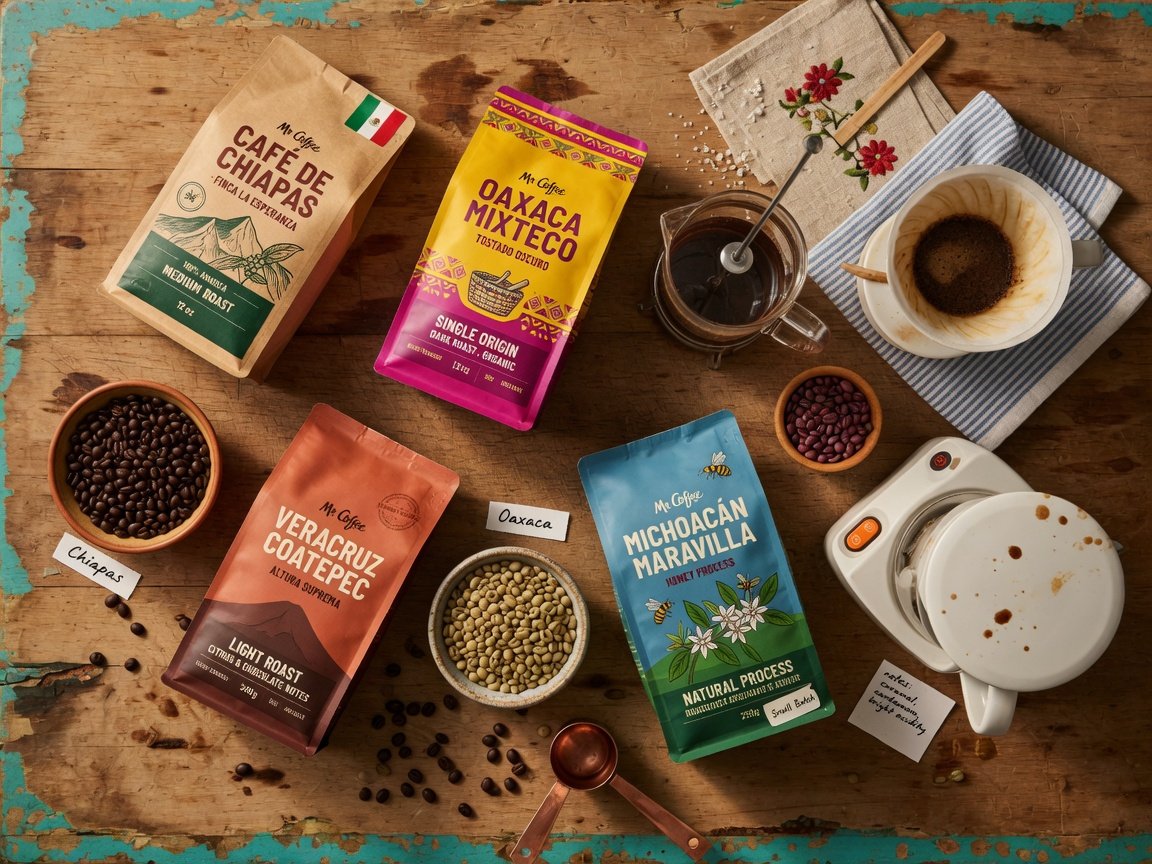
Test Method
- Brew methods used: Standard home drip machine (paper filter), French press (4-minute steep, 93°C / 200°F water), and pour-over (Hario V60, medium-fine grind, 45-second pre-infusion bloom)
- Ratio: 1:15 coffee to water across all initial tests (approximately 1 tablespoon per 6 oz water for drip), then adjusted per manufacturer recommendation and method-specific best practice
- Water temperature: 93°C (200°F) consistently — just below boiling, the standard for medium roast coffees to avoid bitterness from over-extraction
- Grind: All whole-bean coffees were ground fresh immediately before each brew session on a burr grinder
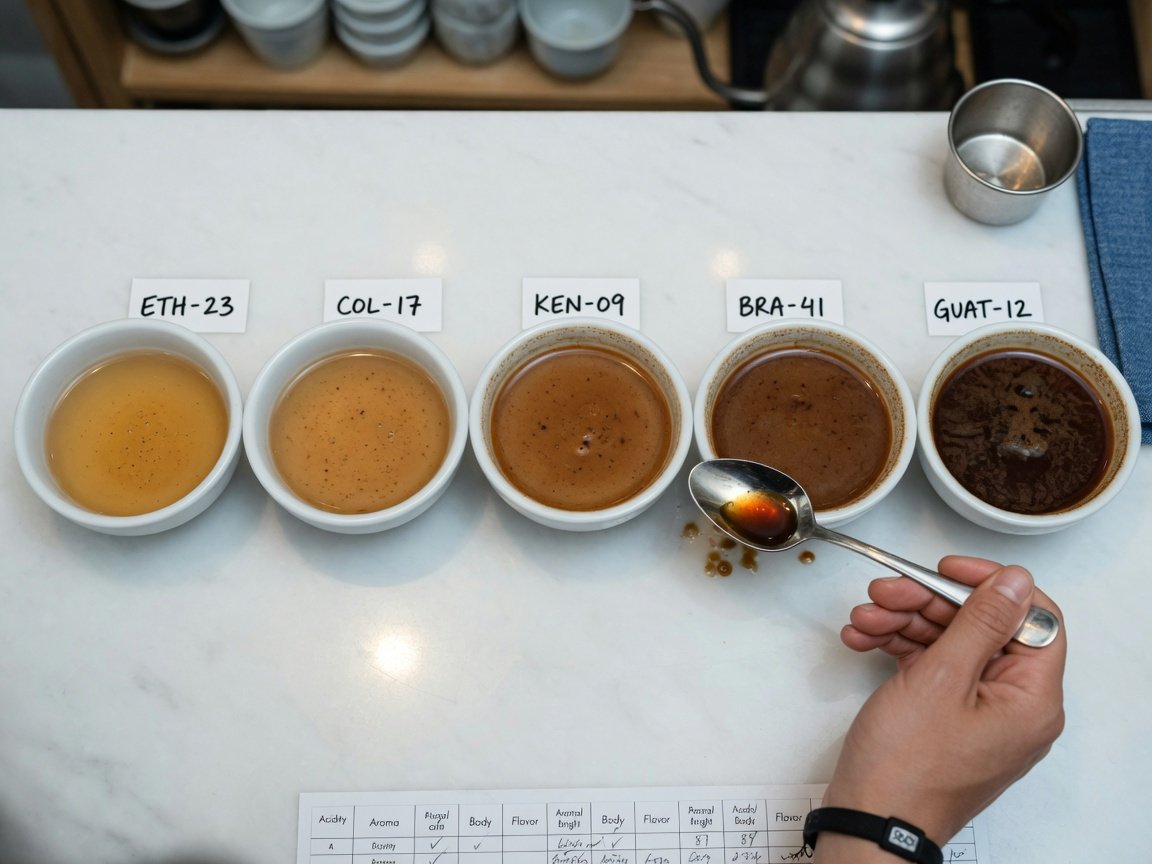
- Evaluation: Multiple team members with varying palate preferences participated in blind tastings across all methods. Scores were averaged across tasters and sessions.
Selection Criteria
- Genuine Mexican origin or authentic café de olla tradition
- Flavour complexity and aroma quality across multiple brew methods
- Sourcing transparency — Organic, Fair Trade, or direct trade certifications
- Consistency across brew methods and between batches
- Value relative to price (not cheapest, but fair for what you get)
- Freshness — roast-date labelling and evidence of proper storage practices from the roaster
Test Window
Initial taste testing and evaluation conducted over several weeks in June–July 2026. All coffees were sourced fresh, directly from each roaster, with roast dates within two weeks of receipt.
30-Day Follow-Up Note
We continued using each coffee as part of daily brewing routines for 30 days following the structured taste tests. The Volcanica Peaberry remained our most-reached-for bag throughout — always a reliable indicator of genuine quality when the novelty of a new coffee has worn off. The Café de Olla blend became a consistent weekend ritual, particularly good brewed in a French press with a small piece of piloncillo added to the steep. The Coffee Bean Direct Decaf became our standard afternoon option and held up well through the follow-up period without any flavour fatigue.