Belize offers a coffee experience unlike any other in Central America. This small nation cultivates high-quality Arabica beans primarily at the Gallon Jug Estate, where sustainable practices honor the country’s agricultural traditions. Belizean coffee distinguishes itself with rich, chocolaty notes and a full-bodied profile. Locals embrace a relaxed approach to coffee consumption, valuing conversation over convenience. The contrast between Belize’s laid-back coffee culture and the rushed habits prevalent elsewhere presents an intriguing glimpse into this nation’s distinctive character.
Belize’s Coffee Production: A Hidden Gem in Central America

While neighboring countries like Guatemala and Honduras dominate Central American coffee exports, Belize remains an overlooked player in the coffee industry. The country doesn’t rank among the top 50 global coffee exporters, with production primarily centered at Gallon Jug Estate in northwestern Belize.
Coffee cultivation is relatively new to Belize, which historically focused on cacao production—earning it the title “Cradle of chocolate.” This cacao comparison is significant as farmers find the shift to coffee relatively straightforward due to similar growing requirements. Though limited in scale, Belizean coffee emphasizes sustainable practices without formal organic certification, producing 100% Arabica beans in ideal growing conditions.
The Gallon Jug Estate: Pioneering Coffee in Belize

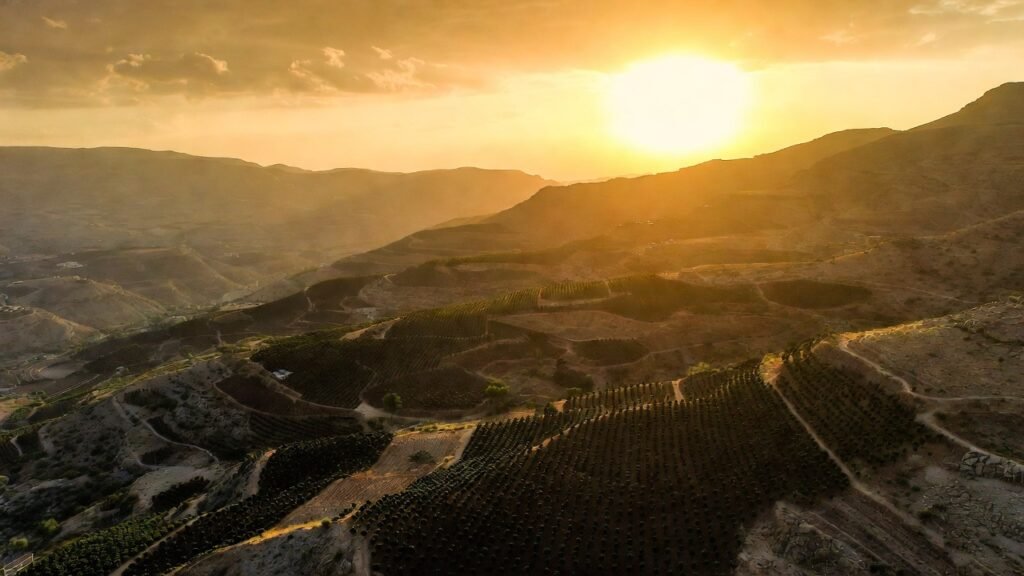
The Gallon Jug Estate stands as the cornerstone of Belize’s emerging coffee industry. Located in northwestern Belize, this pioneering operation cultivates 100% Arabica beans under ideal growing conditions. While not USDA certified organic, Gallon Jug implements sustainable practices that protect the surrounding ecosystem while producing quality coffee.
The estate benefits from similarities between coffee and cacao farming techniques, allowing for knowledge transfer in cultivation methods. Though Gallon Jug is better recognized for its sauces than its coffee, the beans produced here feature a distinctive profile characterized by full body, chocolaty notes, and medium acidity—qualities enhanced by the region’s slow ripening process.
Flavor Profile: What Makes Belizean Coffee Special

Despite its limited production, Belizean coffee possesses a distinctive flavor profile that sets it apart in the world of specialty coffees. The unique growing conditions in regions like Gallon Jug Estate contribute to coffee tasting experiences characterized by complexity and depth.
Rare yet remarkable, Belizean coffee captures terroir complexity found nowhere else in the specialty coffee landscape.
- Full-bodied with rich chocolaty undertones
- Medium acidity that balances the robust flavor
- Slow ripening process enhances flavor development
- Influenced by the same terroir that supports cacao production
- Various bean varieties benefit from sustainable farming practices
While not widely available internationally, Belizean coffee’s profile reflects the country’s agricultural heritage and demonstrates significant potential for growth in the specialty coffee market.
Local Coffee Consumption Habits and Preferences

Contrary to what visitors might expect, Belizeans largely consume imported coffee rather than locally grown varieties. The majority of coffee products, approximately 72%, are imported from the United States, while neighboring Guatemala supplies about 9% of the nation’s coffee imports. These imported brands dominate local preferences despite the existence of domestic options like Gallon Jug coffee.
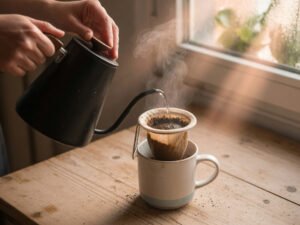
This pattern reflects Belize’s underdeveloped coffee industry and the limited availability of local products. When Belizeans do enjoy coffee, they typically savor it in a relaxed, European-style setting rather than rushing with to-go cups.
The Laid-Back Coffee Experience: How Belizeans Enjoy Their Brew

True to Belize’s national motto “sub umbra floreo” (“I flourish in the shade”), the coffee culture in this Central American nation embodies a distinctly unhurried approach. Unlike many Western coffee cultures, Belizeans prioritize the experience over convenience.
Key elements of Belize’s coffee culture include:
- Coffee gatherings that emphasize conversation and community
- Absence of to-go cup culture in favor of leisurely sips
- European-influenced coffee service styles
- English-speaking cafes that welcome tourists seamlessly
- Relaxed atmosphere that complements the nation’s overall pace
This laid-back approach to coffee consumption reflects Belize’s broader cultural values, where enjoyment takes precedence over efficiency.
Frequently Asked Questions
Can Visitors Tour Coffee Farms in Belize?
Visitors can explore coffee farm tours at Gallon Jug Estate in northwestern Belize. These limited local coffee experiences offer insights into sustainable farming methods, though options remain restricted due to Belize’s relatively immature coffee industry.
How Does Belizean Coffee Compare Price-Wise to Neighboring Countries?
Belizean coffee commands astronomical prices compared to neighboring countries due to its extreme scarcity. With minimal production volumes, regional coffee comparisons show Belize’s limited offerings typically cost more than Guatemala’s or Honduras’ more established exports.
What Brewing Methods Are Most Popular Among Locals?
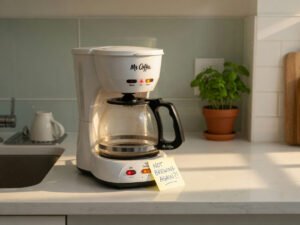
Belizeans typically favor simple brewing methods. While French Press is common in local homes, espresso machines are primarily found in tourist areas. The relaxed coffee culture emphasizes leisurely enjoyment rather than sophisticated brewing techniques.
Are There Specialty Coffee Competitions or Awards in Belize?
Like a sapling in fertile soil, Belize’s coffee industry lacks established competitions or awards. The country’s nascent coffee sector doesn’t host formal coffee tasting events or Belize coffee awards on any significant scale.
How Has Climate Change Affected Belize’s Coffee Production?
Climate change has minimally impacted Belize’s small coffee industry. Limited data exists on climate impact, though the country’s nascent coffee production may face challenges to coffee resilience as temperatures and rainfall patterns shift.
Conclusion
Belizean coffee stands as one of Central America’s best-kept secrets, blending traditional cultivation with community values. The sustainable practices at Gallon Jug Estate create a distinctively full-bodied brew with chocolate undertones that has begun to ping the radar of international coffee enthusiasts. Unlike today’s rushed coffee culture elsewhere, Belize offers a rejuvenating alternative where coffee serves as a backdrop for meaningful connection, reflecting the country’s relaxed approach to life and its growing agricultural potential.